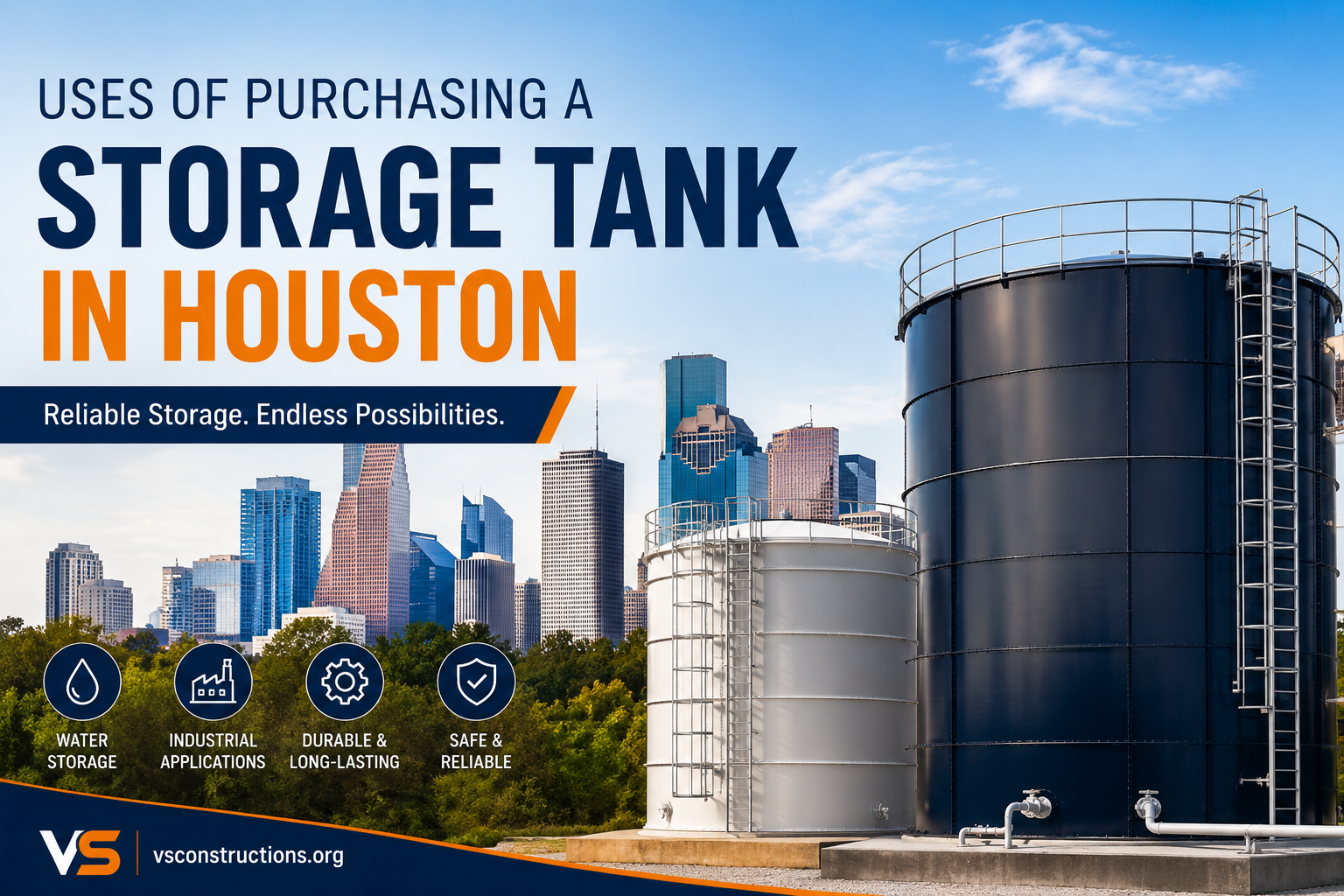
If you spend any time driving around Houston’s industrial corridors, you start noticing storage tanks everywhere. They sit behind refineries, next to warehouses, tucked into the back lots of manufacturing plants, and even on some commercial properties you’d never expect. Houston’s economy runs on liquids and bulk materials, from crude oil and refined fuels to water, chemicals, and agricultural products, and all of that needs somewhere to live between production and use. That’s where storage tanks come in, and honestly, once you dig into how many industries actually depend on them, it starts to make a lot more sense why the demand here never really slows down.
So let’s get into the practical reasons people and businesses in Houston end up buying a storage tank, what usually shapes those decisions, and why so many folks end up leaning on local experts instead of trying to wing it on their own.
Why Houston Specifically
Houston isn’t just any city when it comes to tank demand. It’s one of the largest energy hubs in the world, home to a massive concentration of refineries, petrochemical plants, and shipping terminals along the Houston Ship Channel. On top of that, the region has a booming agricultural sector, a growing manufacturing base, and a climate that occasionally throws hurricanes and heavy rain at anyone who isn’t prepared for it.
All of that adds up to a place where storage needs are constant and varied. A refinery might need massive tanks for crude oil, while a small landscaping business a few miles away might just need a modest tank for irrigation water. The range is enormous, and that’s part of what makes Houston such an interesting market for tank buyers and builders alike. You really can’t compare the needs of a downtown high rise with a backup water tank to a sprawling petrochemical complex along the Ship Channel, and yet both are part of the same broader ecosystem of demand that keeps tank manufacturers and installers busy year round.
Fuel and Petroleum Storage
This is probably the most obvious use, and for good reason. Houston’s identity is tied closely to oil and gas, and that means fuel storage is everywhere, from massive refinery tank farms to smaller tanks used by trucking companies, construction sites, and even farms that need diesel on hand for equipment.
Aboveground storage tanks in Houston are especially common for fuel because they’re easier to inspect, maintain, and repair compared to underground alternatives. You can visually check for leaks or corrosion without digging anything up, which matters a lot when you’re dealing with flammable liquids and strict environmental regulations. Businesses that go through fuel quickly, like fleet operators, often find that having an onsite tank saves a surprising amount of time and money compared to constantly sending trucks offsite to refuel.
Water Storage for Industrial and Municipal Use
Water storage is another huge category, and it covers a lot of ground. Some tanks exist purely for fire suppression systems, sitting quietly for years until they’re needed in an emergency. Others support daily operations at manufacturing plants that need consistent water pressure and volume for cooling systems or production processes.
Municipalities also rely heavily on large water tanks to manage supply during peak demand periods, especially during Houston’s brutal summer months when water usage spikes. Having a reliable, well-built tank isn’t just a convenience in these situations, it’s often a matter of public safety.
Chemical and Petrochemical Storage
Given the density of chemical plants in the Houston area, it’s no surprise that chemical storage tanks make up a big chunk of the market too. These tanks need to be built with very specific material compatibility in mind, since the wrong tank lining or construction material can lead to corrosion, contamination, or worse.
This is one of those areas where cutting corners simply isn’t an option. A tank holding corrosive chemicals needs coatings, seals, and monitoring systems designed specifically for that substance. Getting this wrong isn’t just expensive, it can be genuinely dangerous, both for workers and for the surrounding environment.
Agricultural Uses
Houston sits close enough to rural and semi rural areas that agricultural tank use is still a meaningful part of the picture. Farmers and ranchers use tanks for irrigation water, livestock water supply, fuel for equipment, and sometimes fertilizer storage. These tanks tend to be smaller than what you’d see at a refinery, but they’re just as important to the people relying on them day to day.
A rancher who runs out of water during a dry spell isn’t just dealing with an inconvenience, they’re dealing with a real threat to their livestock and their livelihood. That’s part of why even the smaller tank purchases out here get taken just as seriously as the big industrial ones.
Stormwater and Flood Management
Anyone who has lived in Houston for more than a few years knows how serious flooding can get. Heavy rain events and hurricanes have pushed a lot of property owners, both residential and commercial, to think more carefully about stormwater management, and storage tanks play a role here too.
Detention and retention tanks help manage runoff during major storms, reducing pressure on the city’s drainage systems and helping prevent localized flooding. It’s not the flashiest use of a storage tank, but in a city that floods as often as Houston does, it’s one of the more practical investments a property owner can make.
Commercial and Restaurant Uses
Not every tank in Houston is tied to heavy industry. Plenty of smaller commercial operations use tanks too, whether that’s grease trap systems for restaurants, propane storage for businesses that rely on it for heating or cooking, or backup water supply for buildings that want a safety net during outages.
These smaller scale needs still require careful planning, even if the tanks themselves are far less massive than what you’d find at an industrial site.
Backup Power and Generator Fuel
With Houston’s history of hurricanes and grid instability, more businesses are investing in backup generators, and those generators need fuel storage to keep running for extended periods. A well sized fuel tank paired with a generator can mean the difference between a business staying operational during an outage or shutting down entirely until power returns.
This has become an increasingly common reason people reach out about tank purchases in recent years, especially after some of the more severe storms the region has dealt with.
What to Consider Before Buying
Buying a storage tank isn’t as simple as picking a size off a catalog page. Material choice matters a lot, since steel, fiberglass, and polyethylene all behave differently depending on what’s being stored and the local climate conditions. Houston’s humidity and heat can accelerate wear on certain materials if they aren’t properly treated or coated.
Capacity planning is another big one. Buying a tank that’s too small means you’ll outgrow it quickly, while going too large can mean wasted money and unnecessary maintenance. Local regulations also come into play, especially for anything involving fuel, chemicals, or hazardous materials, since Houston and the surrounding counties have specific permitting and inspection requirements that need to be followed closely.
Why Working With a Local Expert Matters
This is where a lot of buyers, especially first timers, run into trouble. It’s tempting to think of a storage tank as a straightforward purchase, but the reality is that proper design, material selection, and installation require real expertise, particularly when you’re dealing with the kind of climate and regulatory environment Houston has.
Whether you’re looking at aboveground storage tanks in Houston for fuel, water, or chemical storage, having a partner who genuinely knows the local landscape makes an enormous difference. It’s the kind of decision that pays off for years, since a well built tank from an experienced team tends to require far less maintenance and far fewer headaches down the road compared to a rushed or poorly matched purchase. Storage tanks might not be the most exciting purchase you ever make, but once you see how many industries around Houston quietly depend on them, day in and day out, it’s hard not to respect how much work they’re doing behind the scenes.
If you’re thinking about buying one, whether it’s for fuel, water, chemicals, or backup power, it really is worth working with people who understand Houston tank construction and the headaches this region can throw at you, from the heat to the hurricanes.